





















52.jpg

5 Day Butterfly Farming Seminar

(Sunday, February 6 -- Friday, February 11, 2011)

Offered most years since 1997, CRES' highly regarded 5-day Butterfly Farming Seminar exposes its participants to as many  encounters with farmers and their facilities as possible.   The seminar gives people an unfiltered behind-the-scenes look at CRES' operations, its policies and vision.  The week also includes visits to an extraordinary array of habitats  and places of biological interest.  The seminar is intended to provide butterfly exhibit professionals  -- and other interested observers of the industry -- a first hand experience in understanding the industry's many intriguing dynamics.

Costa Rica Entomological Supply


Itinerary

Sunday, February 6, 2011

Participants arriving in Costa Rica this day will be picked up at the airport and Costa Rica Entomological Supplytransported to the hotel. Traditionally, the seminar’s hotels are small, comfortable and surrounded by interesting scenery.

Monday, February 7

We should be on our way as early as possible to the facilities of Costa Rica Entomological Supply (a.k.a. The Butterfly Farm).

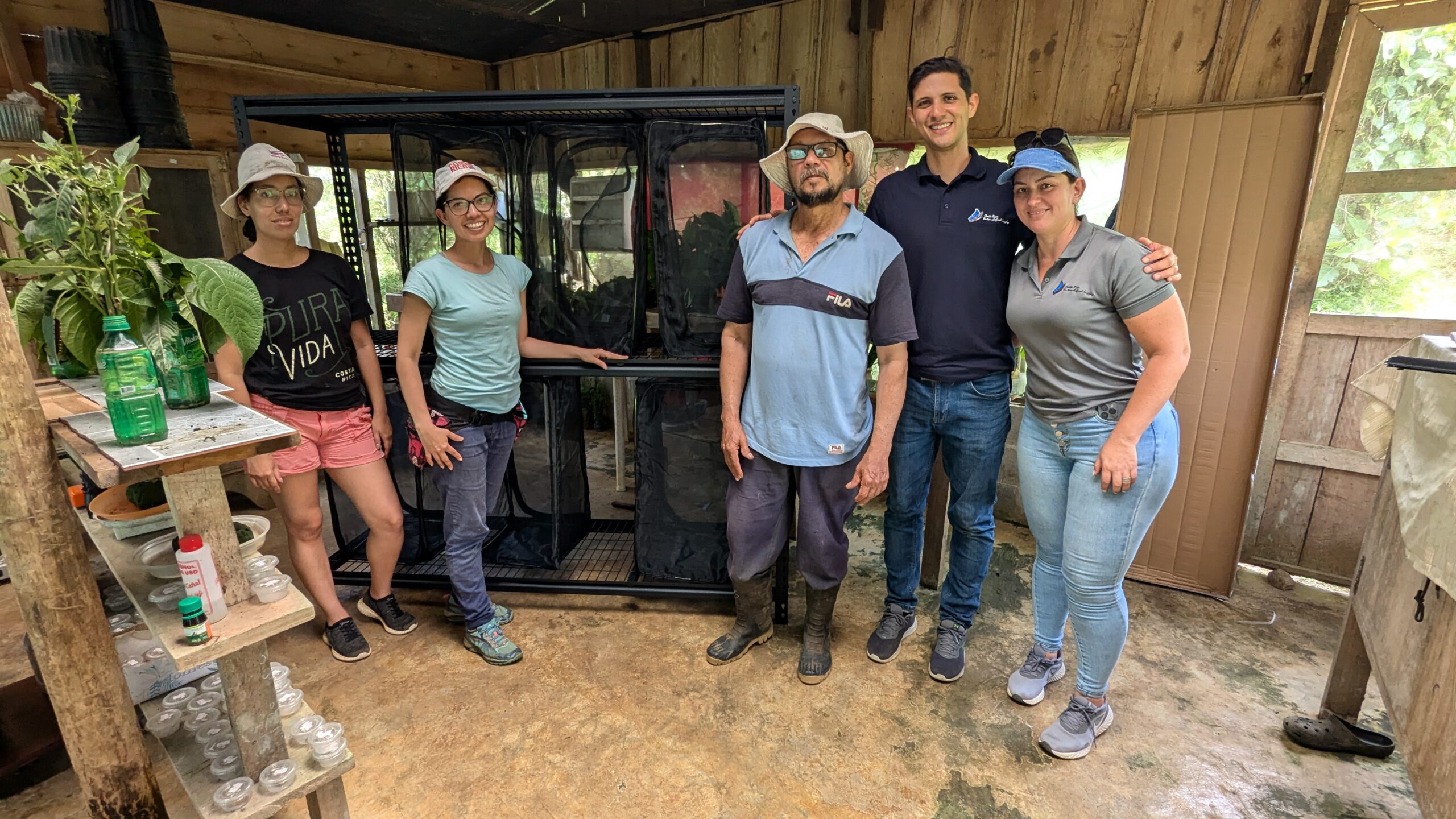
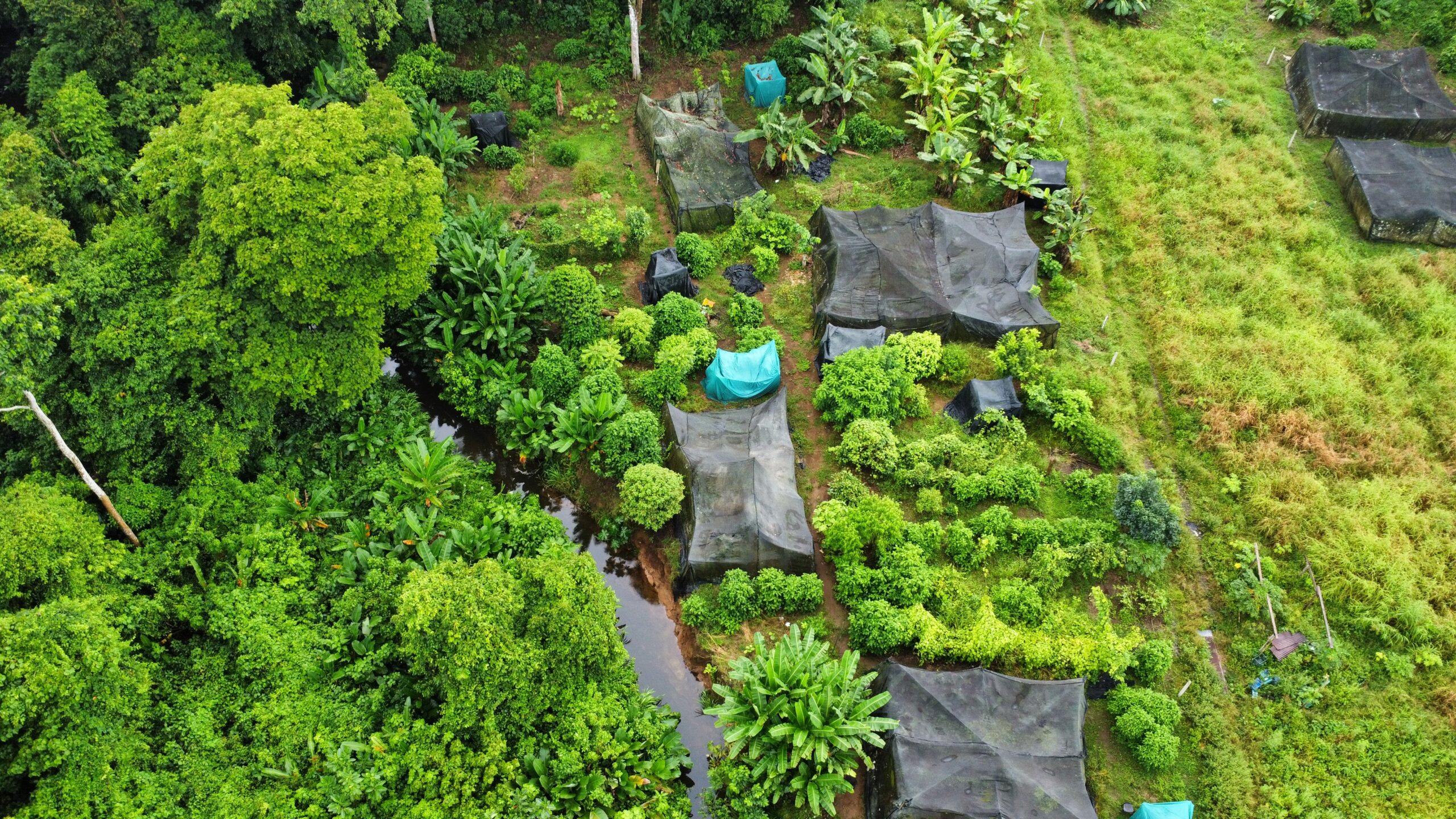
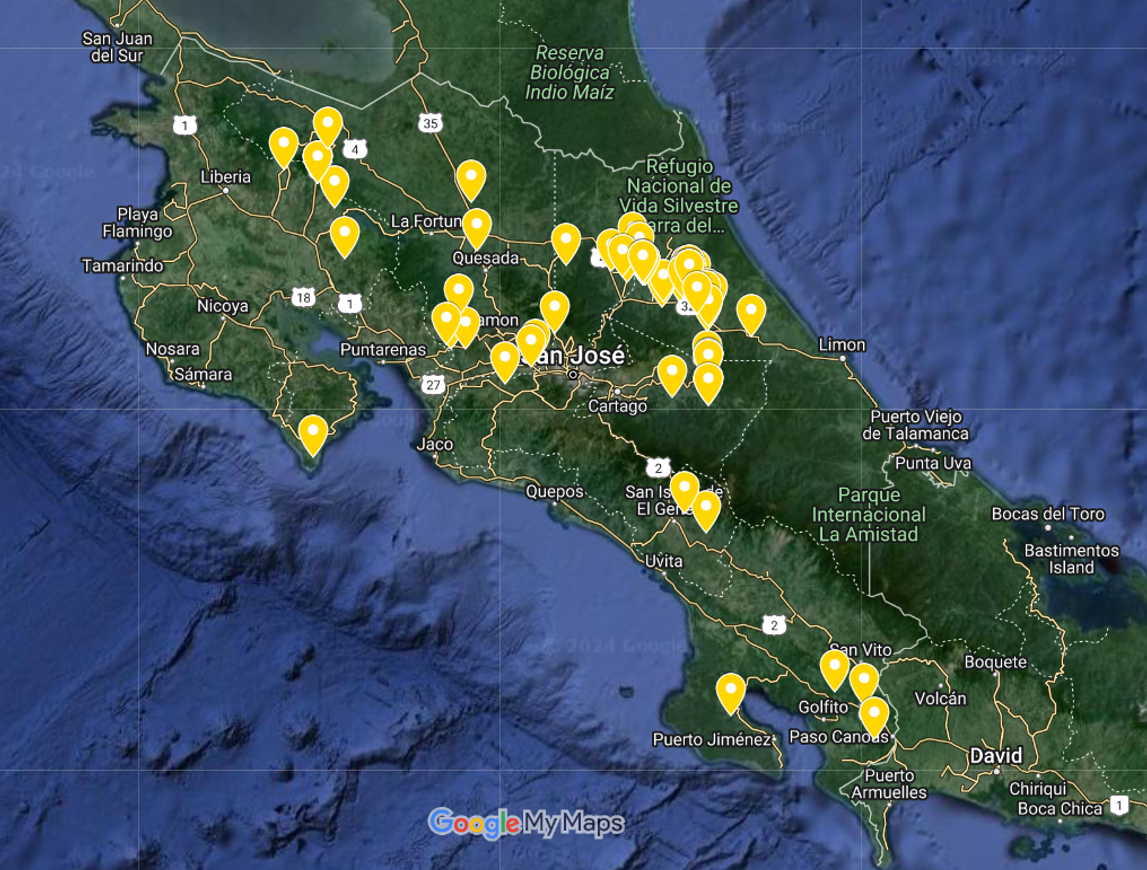
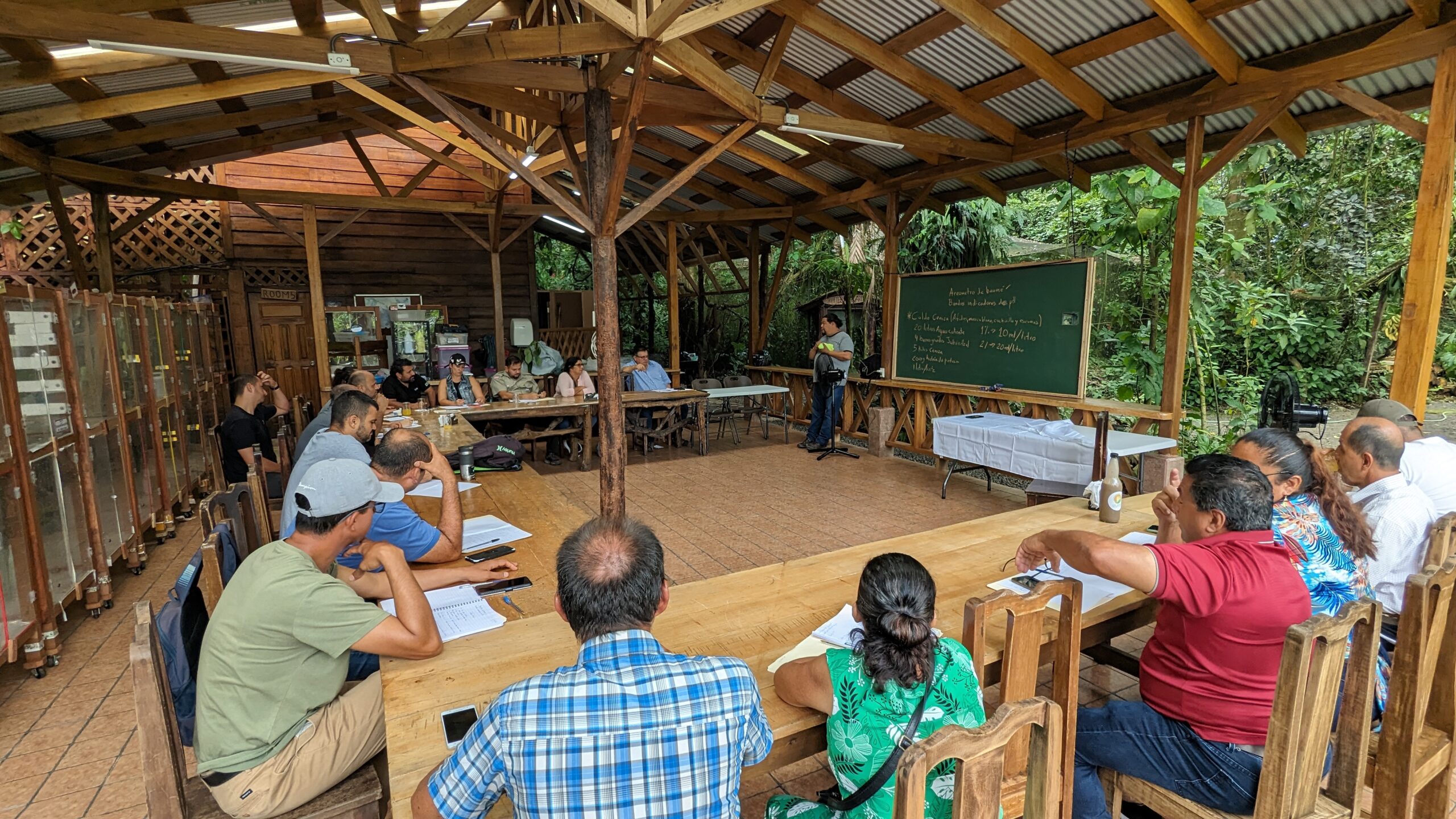
One of the stated purposes for the seminar is to forge bridges between the breeders who are immersed in their world and the clients who are otherwise absorbed in their own. While both parties – farmers and exhibitors -- are mutually dependent upon one another, little is known about the problems and issues experienced by the other. CRES invites its breeders to join us for a morning-long dialogue between both parties. Insofar as Costa Rica is concerned, over 100 independent small-scale farmers drive the butterfly industry. Who are these people? How did they come to breed butterflies? What are the laws that govern their activities? How do they work? What are their concerns? What do they know and what do they have to work with? There’s no better way to find out about “where the butterflies come from” than to meet the farmers and ask.

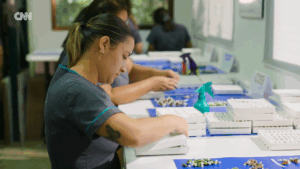
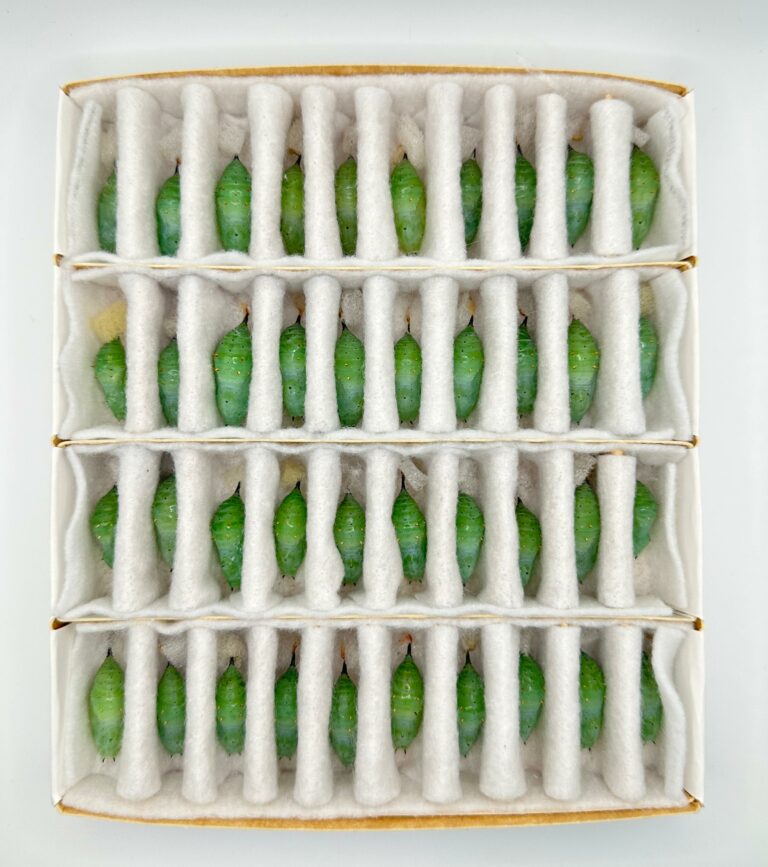
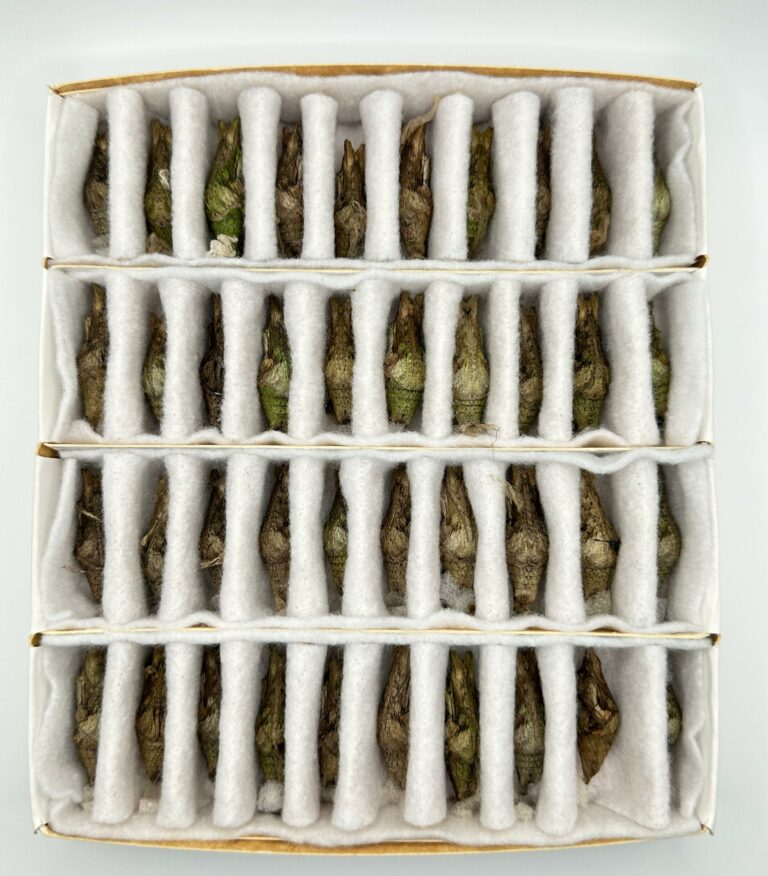
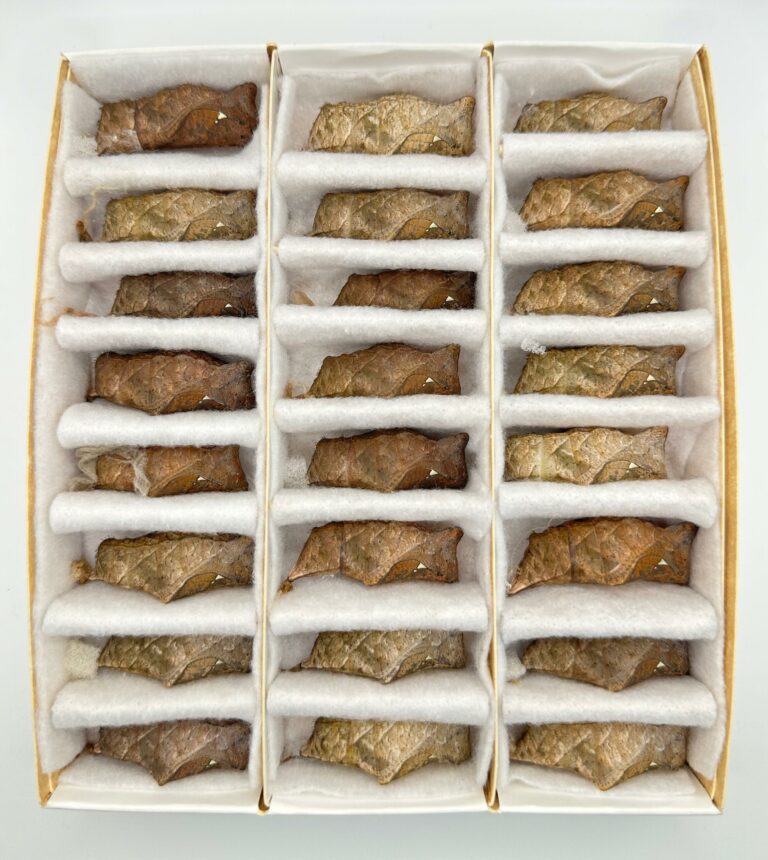
As Mondays are export days, there will be a lot of activity preparing the pupae for export. Participants will be able to tour the behind-the-scenes installations of Costa Rica Entomological Supply.

Costa Rica Entomological SupplyAfter lunch, the group will proceed to visit the home and breeding facilities of a nearby breeder. Several translators will be on hand to facilitate your fluid communication with the members of this fascinating family.

Later we will return to The Butterfly Farm. Some participants may want to take this opportunity to experience the farm’s unique, 2-hour guided tour. Others may prefer to take a tour of the town and its burgeoning collection of butterfly murals, the motive for which La Guácima has been officially designated by the municipality as “The Butterfly Community.” Others, particularly those people that work directly with CRES, are invited to immerse themselves in the many ways in which CRES allows its clients to assume control of their accounts. It’s worth the time!

Tuesday, February 8

Tuesday will be a big day so we will want to be on the road right after breakfast.

Taking advantage of the low sun, our first stop will be a full-morning Costa Rica Entomological Supplywalk through El Rodeo Forest Reserve, the only remaining primary forest in the Central Valley. Our guides will lead us on a 3 hour leisurely walk through the forest, explaining much about what we’ll be seeing. The bird life is rich. Tucans, motmots, flycatchers and tucanettes among many others are commonly spotted. Given that February is the height of the dry season, the butterfly life here is more vibrant than anywhere else in the Central Valley.

After lunch at a hilltop restaurant where

the food is cooked on an open fire, we will proceed to La Salle Natural History Museum. Taking advantage of the museum’s many fine exhibits, our natural history guides will provide us with a lightening (any visit under a day at La Salle is “lightening”) overview of Costa Rica’s flora and fauna.

An after dinner lecture and discussion will be provided by a guest lecturer.

Wednesday, February 9

Costa Rica Entomological SupplyWe will set out early again to visit the summit of Volcan Poás, the most popular national park in Costa Rica. During the ascent we should be presented with spectacular views of the Central Valley, and if the clouds permit we will manage a clear view of the crater, situated at about 10,000 ft above sea level.

After leaving the park, but staying quite high, we will visit the picturesque home of the Herrera family. We will be shown through their breeding operation before being served a home-cooked lunch on their wood stove. After an open question-and-answer period with the Herreras, we will set off directly to for the Atlantic lowland.

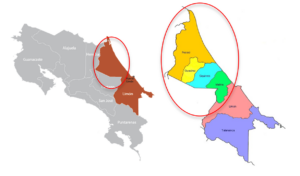
After a few hours’ drive descending to the Caribbean lowlands, Wednesday night will find us without electricity, sleeping in the forest home of a former butterfly farmer, Geovanni.

Thursday, February 10 and Friday Februay 11

Costa Rica Entomological SupplyThursday and Friday will be spent mostly in the forests of Sarapaquí. Along with excursions on the river and taking in all the local wildlife, we will be synthesizing the work and meaning of butterfly farming in Costa Rica. Through butterfly farming this tiny country has achieved one of the most exemplary enterprises in sustainable ecological development in the world. In 2008 the Harvard Business School recognized CRES as a leading example of “inclusive enterprises” for incorporating the poorest segments of society and a model to be replicated elsewhere.

The merits of butterfly farming must be understood within the context of Costa Rica’s culture which identifies with freedom, peace and the true wealth of spirit. Choosing democracy, education, nature, love and “Pura Vida” (a relaxed approach to life) over armies and economic power has afforded Costa Rica a unique culture for butterfly farming that is unmatched.

To emphasize this point, we will be meeting with many dozens of farmers and Costa Rica Entomological Supplygovernment inspectors to learn about their lives, concerns, aspirations and of the impact that butterfly farming has had on their lives over the past 5 -15 years.

Additionally, the staff from The Butterfly Farm will share some of the innovative approaches that are being implemented in the farm’s educational-conservation programs. The ageless symbolic and mythological importance of the butterfly will serve as a basis for discussion of our present global ecological demise. Perhaps butterflies have much to teach us and our visitors as we seek solutions to ensure our survival on this planet.

Costa Rica Entomological SupplyFor the overnight trip it is suggested that participants bring swimming gear, wide-brimmed hat, loose fitting clothes that can get dirty (you can expect to get dirty), a sweater, old blanket or sleeping bag, a powerful flashlight, and a bottle of your favorite rum. Hiking shoes or sneakers are recommended. Insect repellent is optional as mosquitoes should not be a problem.

The Seminar Registration Fee includes

Costa Rica Entomological Supply

Registration fee US$850

  • Airport pick up and delivery.
  • Accommodations 6 nights, Sunday through Friday
  • Welcome cocktail and snacks Sunday evening.
  • Ice breaker Monday evening.
  • All meals excepting dinners except Friday.
  • Transportation for all programmed trips.
  • Two English speaking natural history guides.
  • Admissions to all programmed destinations.
  • Guest lecturer Tuesday evening.
  • Approximately $25 cash in local currency.

Enquiries and Reservations


Costa Rica Entomological Supply

CRES’ 5-Day Seminar is intense! The days are long and the quantity of information and flow of ideas is seemingly endless. We hope that participants are able to contribute their knowledge and ideas with their colleagues. To ensure as enriching an experience as possible for all, participation in the seminar is by prior invitation.

If interested in participating in the 2011 seminar, please contact CRES’ client liaison, Paola Vargas, Tel: +506 2438-0400 (office hours), Fax: +506 2438-0300, e-mail: This e-mail address is being protected from spambots. You need JavaScript enabled to view it .


Participation in the seminar is accepted on a first-come basis

Because of the size of both the hotel and the bus, and the desire to keepCosta Rica Entomological Supply the group small, no more than 18 individuals can be accommodated in the seminar.  CRES does its utmost to attract individuals of an array of backgrounds and interests in the biological fields.  This is done with the aim of generating a maximum exchange of information and experiences for the benefit and enjoyment of all.

The deadline for cancellation is 1 December 2010.  A $50 late fee will be assessed to participants whose payment is received after this date.  Please allow at least two weeks for delivery.  No reservation may be assumed until confirmed by CRES.  Please confirm the availability of space before sending payment.


Murals of La Guácima

Butterfly Farm on YouTube