




































25.jpg

Origin and History

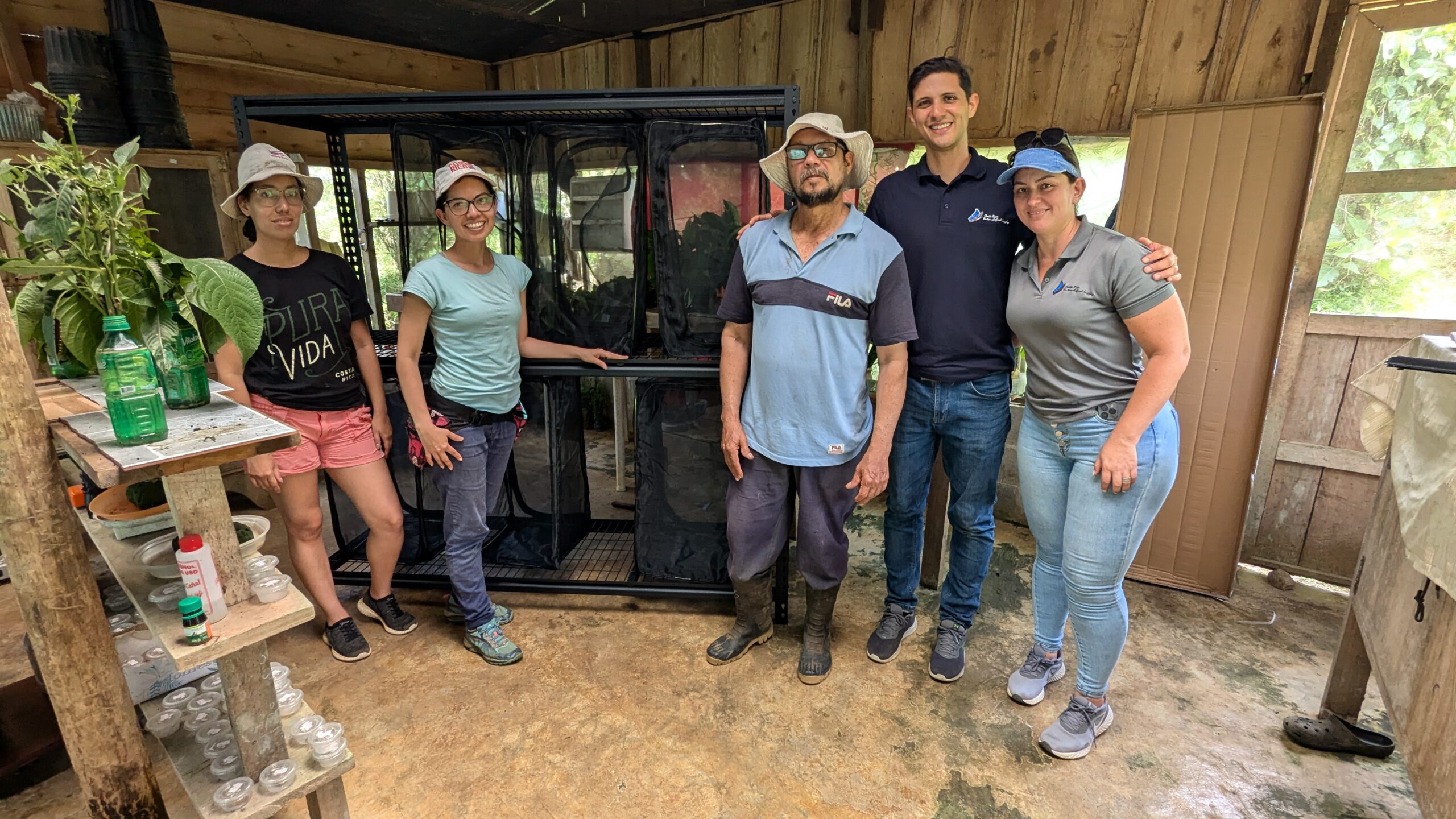
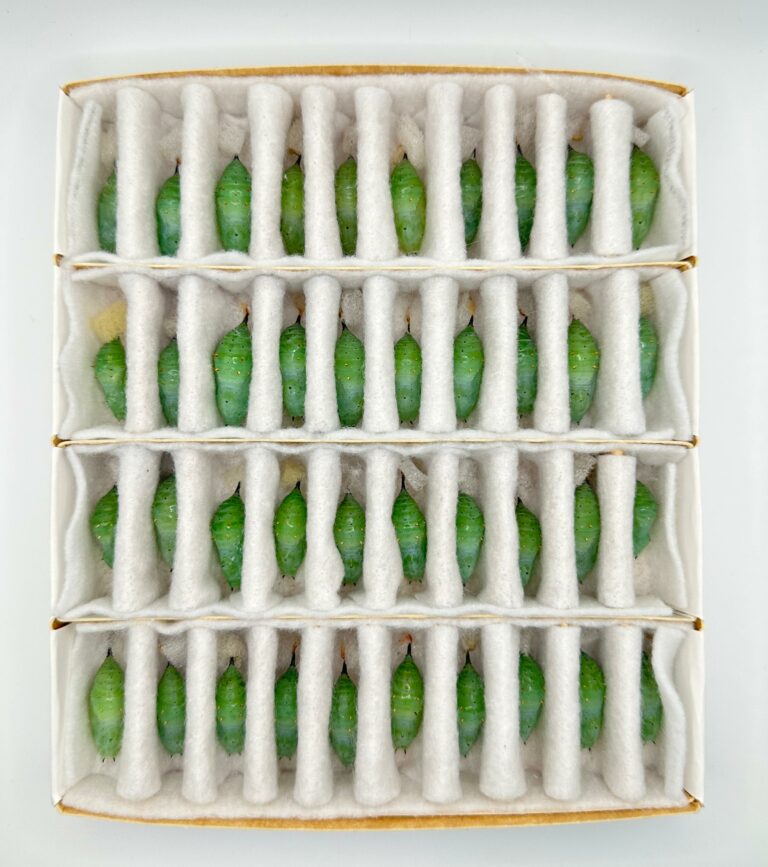
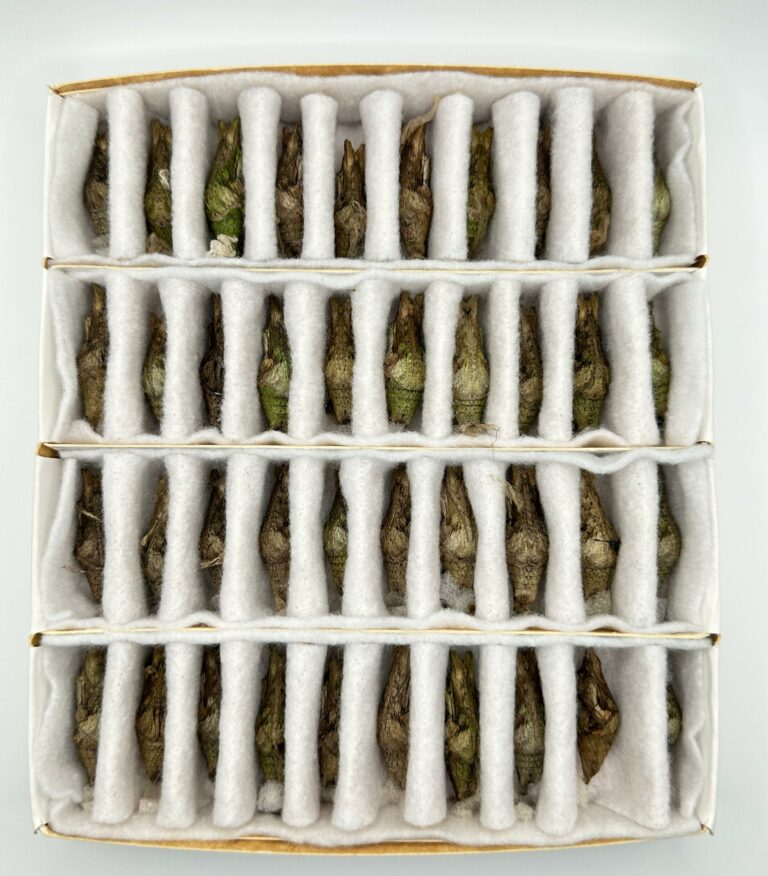
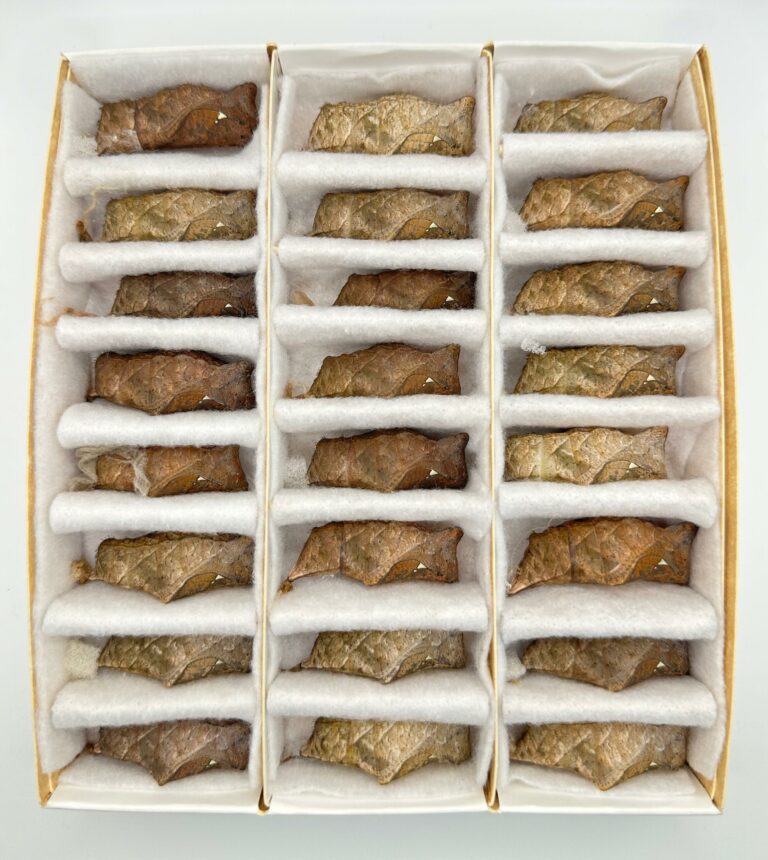
Costa Rica Entomological SupplyCosta Rica Entomological Supply (CRES) was founded in 1984 by Joris Brinckerhoff, a former Peace Corps volunteer and his wife, Maria Sabido.  While serving as a cooperative’s adviser, a chance encounter through hitchhiking informed Joris of the butterfly exhibits that were being created in England.  When Joris contacted the only man in the world that purchased live butterflies at that time, and inquired about the potential market, he was informed, “Absolutely!  The market in Great Britain can take all the pupae you can produce, maybe up to $6,000 a year!”  As a Peace Corps volunteer who had been subsisting for 2 years on $100 a month, or $1,200 a year, the prospect of such an income was an opportunity.

There were several factors that suggested that butterfly farming in Costa Rica might be successful.  The government at that time was promoting the development of “non-traditional exports” to diversify the economy from its over dependence on international commodity products such as coffee, sugar, beef and bananas.  Costa Rica is renowned for its biodiversity and far-sighted efforts in conservation.   Over a quarter of the country had been protected in national parks.  Furthermore, butterfly farming would seem to promise many social advantages for rural people.  Farming butterflies would require the planting of host plants and flowers, allowing families to generate incomes without causing ecological damage.  Insecticides could not be used.  The start-up investment seemed to be modest.  Butterfly farming could be approached by anyone of limited formal education provided they possess common sense and discipline.  Besides which, Joris & Maria thought, no export product could be more emblematic for a country without an army and a long history of conservation than butterflies.  Inspired by E.F. Schumacher's book, Small is Beautiful, Joris and Maria gathered their modest savings and embarked on a career as butterfly farmers.  With the help of their friend Rubén Canet, they spent two years trying to identify host plants and develop breeding methodologies.  A law would have to be changed to allow for the export of live butterflies -- a scenario that had not been contemplated. 

Costa Rica Entomological SupplyToday, the creation of CRES is a leading business school’s case study for a course on New Business Ventures.  It’s a challenging case!  There were no butterfly farms in Latin America to emulate.  The founders had no experience, never having studied butterflies, entomology or, for the most part, biology.  There existed no literature on butterfly farming.  The laws at the time prohibited the export of butterfly pupae.  The founders didn't qualify for legal residency.  They had no start-up capital beyond Joris’ Peace Corps readjustment allowance.  The airlines charged hundreds of dollars in freight and refused to transport “live animals.”  The market for live butterflies lasted only 6 months of the year and it would take a year to prepare for the first export.   Without sufficient money to even rent a modest house, the case asks the student if they were the entrepreneur, would they proceed? The question is perplexing because no matter how the situation is analyzed there is no conceivable way that the project could survive.  

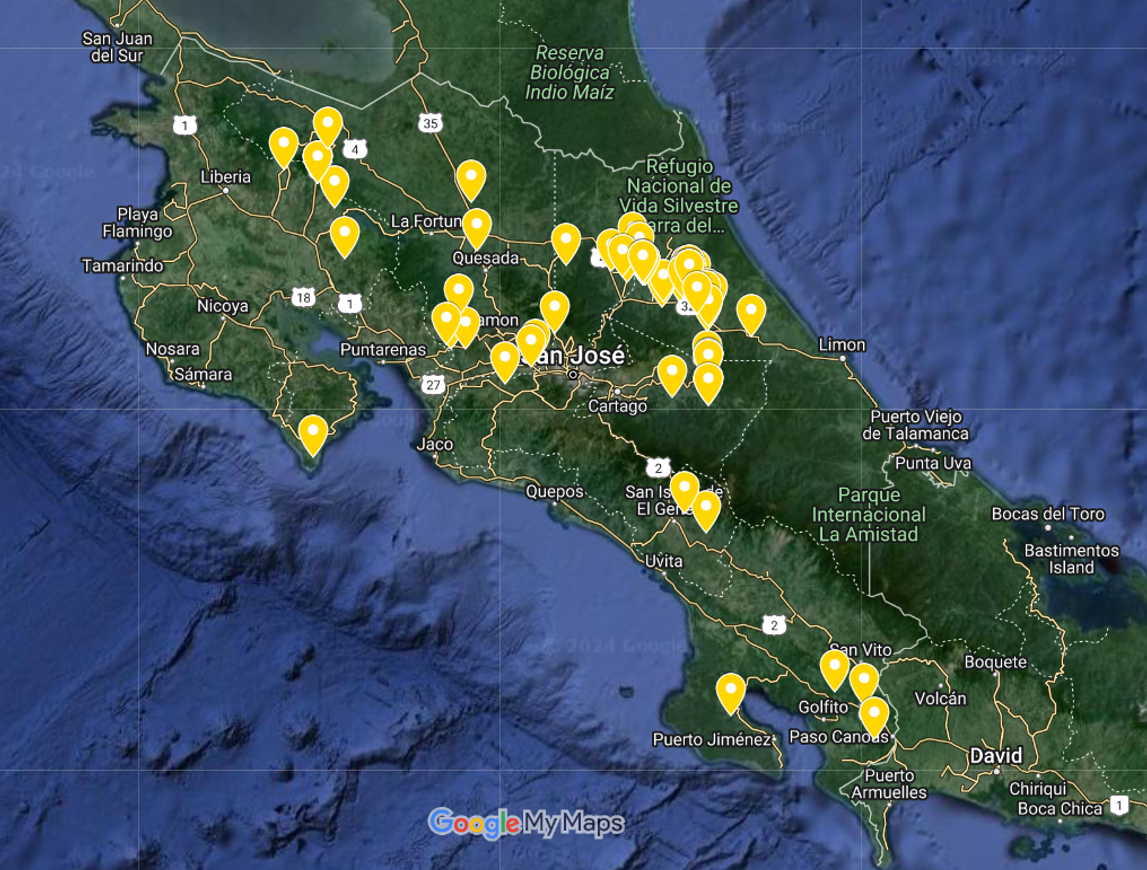
In 2009 CRES celebrated its 25th anniversary and remains one of the principal butterfly suppliers in the world.  Together with The Butterfly Farm, CRES has been highly successful in fostering butterfly farming in Costa Rica.   Today, butterfly farming for exports, exhibits and souvenirs has become a significant industry, providing employment for hundreds of families.